|
|
东方旅游文化
诗意栖居的心灵图谱
——读蒋宜茂组诗《十方界书》
胡红拴
《北方文学》2024年9期发表的蒋宜茂组诗《十方界书》,宛如一曲曲悠扬的心灵之歌,带领读者走进了一片充满诗意与哲思的世界。这组诗以细腻的笔触、真挚的情感和独特的观察力,描绘出生活中的点滴景致与内心的微妙波动,让我们在阅读中感受到一种宁静而深远的力量。
组诗开篇,诗人将我们带入了他迁寓十余年的十方界。“迁此寓居十余年了/未曾探究十方界的渊源/天宫的坐标奥妙深邃/却有天宫殿公园/与十方界小区毗邻”,诗人在这个熟悉又有些陌生的地方生活着,周围的一切看似平常却又蕴含着无尽的诗意。天宫殿公园就像城市中的一片绿洲,“一个人在公园闲游久了/会忘却这是一片城中林/风的颜色与体形/看似与老屋背后/林间的风质同宗”。这里的风与记忆中的风相似,在城市的喧嚣中保留着自然的质朴。那尊斜躺的原山大石、颔首呼应的花草林木,构成了一幅和谐的画面。不同来路的风相互碰撞撕扯,巴茅簇拥,浮云远去,诗人“拥抱着我/习惯性走进那片慈竹林”,这一系列的描写让我们感受到诗人在这片自然之境中的自在与惬意,他仿佛与这片土地融为一体,实现了一种诗意的栖居。
在《辨识鸟鸣》中写道,雨后的天宫殿公园更加葱茏,露珠仿佛能“读出暗夜对黎明的哭诉”,这种独特的拟人化描写让自然充满了情感。遛鸟的人们掀开鸟笼的半边天,笼中鸟欢快蹦迪,林间鸟儿声声鸣啾,诗人试图通过拉近镜头来辨识鸟语,察音观色。这片城中林虽不大,但鸟鸣的音符齐而未跑调,展现出这里丰富的鸟类生态。诗人对鸟鸣的细致观察和描写,不仅仅是对自然声音的捕捉,更是一种对自然生机的热爱与向往。
在作者的诗歌中,那种生命的抵达与孤独中的慰藉使诗意更具张力。如他的《抵达》一诗,窗外的槐树在隆冬经历着从葱茏到泛黄的转变,“几只鸟的抵达/稀释了树魂的寂寞”,鸟儿的到来打破了槐树的沉默,它们的鸟鸣诉说着过去的荫凉和槐叶飘零的感伤。诗人与秃顶的槐树伫立对视,欲言又止,陷入狭义的哲学思考。这种生命与生命之间的互动和影响,充满了深刻的意味。鸟儿的抵达对于槐树来说是一种慰藉,就像在人类的生活中,偶尔闯入的温暖可以驱散孤独与寂寞。而诗人在这个场景中的思考,也让我们联想到生命中的起起落落,以及在不同状态下的自我审视。
《鉴别》一诗则展现了组诗中深沉的一面。刺耳的电动伐木声传来,伴随着香樟、铜钱树们的哭泣,居民的喧嚣似乎也成为了这场“悲剧”的背景音。书房里的书仿佛也有了情感,“愤然站立”,质疑着这种过度修剪树木的行为。一片片绿荫倒下,鸟儿失去了栖息之所,只能穿梭、哀鸣、寻觅翠绿。诗人通过这样的描写,深刻地批判了那些破坏生态环境的行为,表达了对自然生命的尊重和保护生态平衡的强烈愿望。这种忧思不仅仅是对眼前树木和鸟儿命运的担忧,更是对整个生态系统和人类未来的警醒。
《想念胡杨》中,诗人通过长江两岸的青山和脑海里从大漠涌来的胡杨林的对比,寄托情感并产生生命的联想。诗人在胡杨林里肆意徜徉,抚摸、合抱胡杨,读茎问根,这一系列的动作充满了对胡杨的崇敬与热爱。而在其中,诗人又窥见老屋院坝边等待儿女回家吃年夜饭的爹娘,胡杨在这里成为了情感的寄托,这一意象不仅仅是自然的代表,更是与乡愁紧密相连。胡杨的坚韧与等待儿女的爹娘的形象相互映照,让我们感受到生命中不同形式的坚守与期待。
《那只鸟》里的那只鸟是特别的存在。在江城半岛、照母山麓以及十方界,它总是与诗人有着特殊的互动。它普通却又任性、执着,常来窗台探望鸣啾,与诗人对视、点头、扑腾,成为了一种既定的仪式。在照母山麓的遇见让诗人惊悚,它飞越两江释放出了然于胸的密码,凝固了彼此的默契。这只鸟的出没与殷勤常常模糊了诗人潮涌的眼,这是一种生命与生命之间纯粹而深刻的默契,这种默契跨越了物种的界限,给诗人带来了无尽的感动,也让读者感受到生命之间的奇妙联系,那种生命之间的默契与感动。
《鸟窝》一诗讲述的不单单是一个关于鸟窝的故事。鸟窝选址在靠近树梢的三叉枝,与四楼窗台距离很近,承载着爱情与天职。几只雏鸟长大飞走后不再回窝,叶落枝秃时,鸟窝在风霜中凸显摇曳,就像诗人年久失修、空寂漏雨的老屋。这里鸟窝的命运象征着生命的成长、变迁与寂寥。雏鸟飞走后的空巢,如同子女离开后的老屋,充满了岁月的沧桑和淡淡的忧伤,引发了人们对生命轮回和家庭情感的深思。
《蜜蜂与太阳花》描绘了大花坛里太阳花和蜜蜂的故事。太阳花冒着风雨绽放,紫红色的火苗闪耀,蜜蜂们成群结队地在花丛间忙碌。诗人担忧大雨倾盆时蜜蜂的安危,而太阳花的灵性和蜜蜂的本能让它们在阴晴圆缺中依然缠绵。太阳花的用情专一和蜜蜂的勤劳执着,展现出本能与坚守中的生命之美。这种美是纯粹的、自然的,它们在相互依存中共同构成了一幅生机勃勃的画面,也让我们看到生命在面对外界环境时的坚韧与积极。
读组诗《十方界书》,仿佛踏入了一片充满诗意与哲思的精神领地。这组诗犹如一幅细腻的画卷,徐徐展开了生活中的诸多景致与内心深处的情感涟漪,每一首诗都是一颗璀璨的星辰,共同构建了一个独特的诗意宇宙。这组诗就像一首悠扬的生命之歌,在十方界这片小小的天地里,唱出了人与自然、人与人、生命与生命之间的无尽故事。
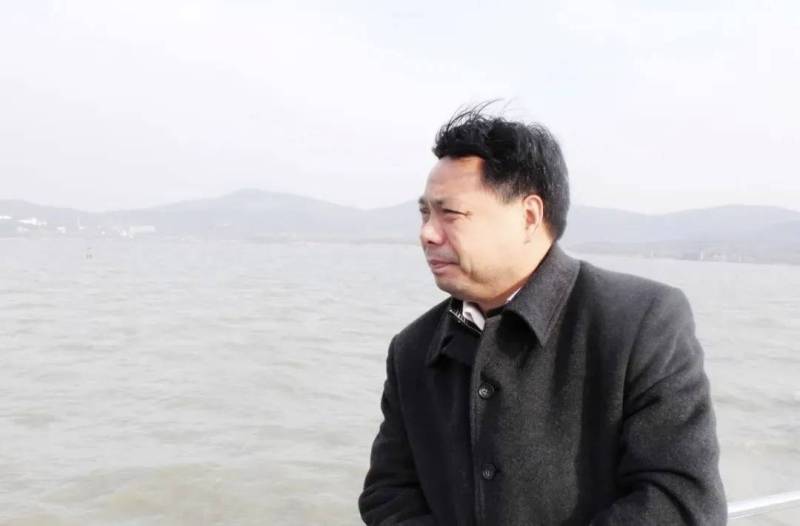 作者简介:
作者简介:
胡红拴,中国当代著名诗人、作家。1961年出生于中国河南省洛阳市。中国作家协会会员,中国自然资源作家协会副主席、诗歌委员会主任。出版各类书籍70多部。现居广东。
A Spiritual Map of Poetic Dwelling
—On the Poetry Suite “About Shifangjie” by Jiang Yimao
Hu Hongshuan
“About Shifangjie”, a poetry suite by Jiang Yimao published in Issue 9, 2024 of Northern Literature, is like a melodious song of the soul, guiding readers into a realm brimming with poetic sentiment and philosophical contemplation. With delicate diction, sincere emotion, and a distinctive observational eye, the suite depicts the subtle scenes of daily life and the delicate ripples of the inner world, allowing us to perceive a tranquil yet profound power in the act of reading.
The suite opens by ushering us into Shifangjie, where the poet has resided for more than a decade. “Moving and living here for over ten years, never have I traced the origin of Shifangjie. The coordinate of the Heavenly Palace is mysteriously profound, but the Heavenly Palace Park abuts the Shifangjie Community”. Living in this place both familiar and unfamiliar, the poet finds boundless poetry in seemingly ordinary surroundings. The Palace of Heaven Park is an oasis in the city: “Roaming for a long time in the park, one mistakes it for woods in a city. The color and shape of wind, seem to be of the same clan with the wind through the woods behind the old house”. Here, the wind echoes that of memory, preserving the simplicity of nature amid urban clamor. A slanting boulder from the original mountain, flowers and trees nodding in response, weave a harmonious scene. Winds of different origins collide and tear at each other; cogongrass clusters; floating clouds drift away. The poet “embracing myself, I stroll habitually into the bamboo grove”. These descriptions reveal the poet’s ease and contentment in this natural haven, as if merging with the land to achieve a state of poetic dwelling.
In “Recognizing Birdsongs”, the Palace of Heaven Park grows even lusher after rain, and dewdrops seem to “read the cry of the dark night to the dawn”—a unique personification that infuses nature with emotion. Bird-walkers lift half the covers of their cages; caged birds bounce joyfully; woodland birds chirp incessantly. The poet tries to zoom in to decipher the birds’ language, observing their tones and postures. Though small, this urban forest holds a harmonious chorus of bird notes, revealing a rich avian ecology. The poet’s meticulous observation and depiction of bird songs are not merely a capture of natural sounds, but an expression of love and yearning for the vitality of nature.
In the poet’s verses, the arrival of life and solace in solitude lend greater tension to the poetry. In “Arrival”, a scholar tree outside the window turns from luxuriance to yellowing in the depth of winter. “The arrival of a few birds, has diluted the loneliness of the tree’s soul”. The birds break the tree’s silence; their chirps recount the shade of days past and the sorrow of falling pagoda leaves. The poet stands face to face with the leafless scholar tree, words unspoken, lost in narrow philosophical reflection. This interaction and influence between living beings carry profound meaning. The birds’ arrival is solace for the tree, much like how unexpected warmth in human life disperses loneliness and desolation. The poet’s meditation in this scene also evokes reflections on the vicissitudes of life and self-examination in different states.
“Discernment” reveals a profound dimension of the suite. The harsh whir of electric woodcutters rings out, accompanied by the weeping of camphor trees and coin trees; the bustle of residents becomes the backdrop to “tragedy”. Books in the study seem to take on emotion, “standing up in indignation” to question the excessive pruning of trees. Stretches of green shade fall; birds lose their perches, darting, wailing, and searching for greenery. Through such imagery, the poet sharply criticizes acts that damage the ecological environment, expressing respect for natural life and a strong desire to protect ecological balance. This concern is not only for the fate of the trees and birds before his eyes, but a wake-up call for the entire ecosystem and humanity’s future.
In “Pining for Poplar Trees”, the poet contrasts green mountains along both banks of the Yangtze River with a poplar forest surging from the desert in his mind to anchor emotion and evoke reflections on life. He roams freely among the poplars, touching, embracing, reading their stems and inquiring of their roots—gestures filled with reverence and love for the trees. From all these he glimpses his elderly parents waiting in the yard of his old home for children to return for the New Year’s Eve dinner. Here, the poplar becomes an emotional vessel, an emblem of nature intertwined with nostalgia. The tenacity of the poplar echoes the image of parents waiting, illuminating diverse forms of perseverance and expectation in life.
The bird in “The Bird” is a singular presence. On the Jiangcheng Peninsula, at the foot of Zhaomu Mountain, and in the Shifangjie, it shares a special bond with the poet. Ordinary yet willful and persistent, it often visits his windowsill to chirp, meeting his gaze, nodding, fluttering—an established ritual. An encounter at the foot of Zhaomu Mountain startles the poet; the bird flies across two rivers, releasing a cipher of quiet understanding, cementing silent rapport between them. The bird’s frequent visits often blur the poet’s tearful eyes. This is a pure, profound rapport between living beings, transcending species boundaries, moving the poet deeply. The readers sense the wondrous connections of life as well.
“The Nest” tells more than a story of a nest. Built on a three-forked branch near the treetop, close to a fourth-floor windowsill, the nest bears love and natural duty. After fledglings grow and fly away, never to return, the nest stands swaying in wind and frost as leaves fall and branches go bare—much like the poet’s old, dilapidated, empty, leaky home. The fate of the nest symbolizes growth, change, and solitude in life. The empty nest after the young leave mirrors the old home after children depart, filled with the vicissitudes of time and quiet sorrow, prompting reflection on the cycle of life and family affection.
“Bees and Sunflowers” paints a scene of sunflowers and bees in a large flower bed. Sunflowers bloom through wind and rain, blazing like purple-red flames; bees swarm busily among the blossoms. The poet worries for the bees in heavy rain, yet the spirit of sunflowers and the instinct of bees keep them intertwined through shine and storm. The devotion of sunflowers and diligence of the bees reveal the beauty of life in instinct and perseverance. The beauty is pure and natural; their interdependence forms a vibrant picture, showing life’s resilience and positivity in the face of external conditions.
Reading “About Shifangjie” is like stepping into a spiritual territory rich in poetry and philosophy. The suite unfolds like a delicate scroll, revealing scenes of life and emotional ripples deep in the heart. Each poem is a bright star, constructing a unique poetic universe. Like an eloquent song of life in the small world of the Shifangjie, it sings endless tales of humanity, nature, people and life.
About the Author:
Hu Hongshuan is a renowned contemporary Chinese poet and writer. Born in Luoyang, Henan Province, China in 1961, he is a member of the Chinese Writers Association, Vice Chairman of the China Natural Resources Writers Association, and Director of its Poetry Committee. He has published more than 70 books and currently lives in Guangdong.
译者简介:
王欣,山东大学英语语言文学硕士,英国约克大学访问学者,现任教于山东女子学院外国语学院,山东女子学院教学能手,全国外语微课大赛山东省一等奖、“外教社杯”全国高校外语教学大赛山东省一等奖、中华经典诵读大赛山东省二等奖、儒家经典跨语言诵读大会金奖、“儒家经典传颂人”称号获得者、儒家经典跨语言诵读大会初审专家、“外研社杯”全国高校英语演讲大赛山东省一等奖优秀指导教师,山东省青少年英语演讲大赛评委,济南市国际水彩水墨画交流展口译员、上合组织消防救生国际会议口译员;专长于文学写作、诗歌翻译、配音朗诵,作品发表于多个网络媒体,近期译作发表于《国际诗歌翻译》等刊物,出版译著《我用沉默装饰高贵》。
About the Translator:
Wang Xin, MA in English Language and Literature at Shandong University, visiting scholar from York University, UK, is teaching at the School of Foreign Languages of Shandong Women's University. She is the winner as teaching expert of Shandong Women’ University, first prize (Shandong Province) in the National Foreign Language Micro Lesson Competition, first prize winner (Shandong Province) in the Foreign Language Teaching Competition of Shanghai Foreign Language Education Press Cup, second prize in the Chinese Classics Recitation Contest in Shandong, Gold prize and “A Good Chanter” in Cross-Lingual Chanting Assembly of Confucian Classics, Chief Reviewer for the Cross-Language Recitation Conference of Confucian Classics , excellent instructor of Shandong Province in the Foreign Language Speech Competition of Foreign Language Teaching and Research Press Cup, judge of Shandong Province English Speech Competition for Youth, an interpreter for the Sino-European Ink Painting and Calligraphy Exchange Exhibition in Jinan and SCO International Conference on Fire and Life Saving; specializes in literary writing, poetry translation and voiceover recitation, and her works have been published in many online media as in Rendition of International Poetry; published translated work I Adorn Nobility with Silence.
|
|
 |手机版|小黑屋|Archiver|东方旅游文化网
( 苏ICP备10083277号|
|手机版|小黑屋|Archiver|东方旅游文化网
( 苏ICP备10083277号| 苏公网安备 32080302000142号 )



 IP卡
IP卡 狗仔卡
狗仔卡
 发表于 2026-4-25 21:28:14
 提升卡
提升卡 置顶卡
置顶卡 沉默卡
沉默卡 喧嚣卡
喧嚣卡 变色卡
变色卡 千斤顶
千斤顶 显身卡
显身卡